Mold Remediation Trumbull CT for Basements, Attics, and Crawl Spaces
Comprehensive Mold Removal Services: Eliminate Hazards and Restore Safety
Mold can present serious health threats and compromise the safety of any residence. Thorough mold remediation services address these issues by identifying sources, containing spread, and removing affected materials. Understanding the signs of mold, the dangers it poses, and the remediation process is essential for homeowners. As the complexities of mold removal become apparent, it becomes clear that a preventive approach is necessary for long-term safety and well-being. What steps should one take next?
Clues That You Have a Mold Problem
In what ways can one detect the presence of mold in their environment? Spotting mold signs is critical for maintaining a safe living area. Typically, visible mold growth appears on walls, ceilings, and humid areas and serves as a primary sign. Hidden mold might be suggested by discoloration or water stains behind surfaces. A musty odor often accompanies the presence of mold, even when it's not immediately visible. Furthermore, humidity levels above 60% inside a house can create favorable conditions for mold development. Other indicators include peeling paint or wallpaper and respiratory problems among occupants, pointing to a possible mold issue. It is vital to stay vigilant because early detection can stop further growth and complications. Conducting regular inspections in moisture-heavy zones like bathrooms and basements can maintain a safe and healthy environment. Recognizing these signs is the first crucial step in addressing mold concerns effectively.
Understanding the Risks of Mold Exposure
Contact to mold poses substantial risks to health that can impact people in various ways. Inhalation of mold spores can lead to respiratory issues, such as asthma and allergic reactions, particularly in vulnerable groups such as children and the elderly. Symptoms present with coughing, sneezing, and skin irritations, which can worsen with extended exposure.
Some types of mold produce mycotoxins, which can have more serious effects, including symptoms affecting the nervous system and immune system suppression. Individuals with prior health conditions may suffer from exacerbated health issues, making it critical to address mold problems quickly.
Additionally, the mental effect of residing in mold-contaminated surroundings can contribute to stress and anxiety. Recognizing these hazards highlights the significance of recognizing and tackling mold development to maintain a safe and wholesome home. Knowledge of the risks associated with mold exposure is vital for promoting overall well-being and avoiding lasting health complications.

What to Do When You Find Mold?
After noticing mold in a living space, urgent action is essential to inhibit continued expansion and mitigate health risks. The first step demands evaluating the breadth of the mold problem. Individuals should check for visible mold and any moist areas that may promote growth. It is imperative to keep from compromising the mold, as this can release spores into the air.
The source of moisture must be determined and resolved first, be it a leak or high humidity. Providing sufficient airflow in the impacted space will help reduce moisture content. Safety gear, including gloves and masks, should be employed to decrease exposure during any contact.
If the mold covers a limited area, it may be possible to clean it with appropriate cleaning solutions. However, for more extensive infestations, seeking expert assistance is advisable. Prompt and effective measures can significantly reduce health risks associated with mold exposure.
The Mold Remediation Process Outlined
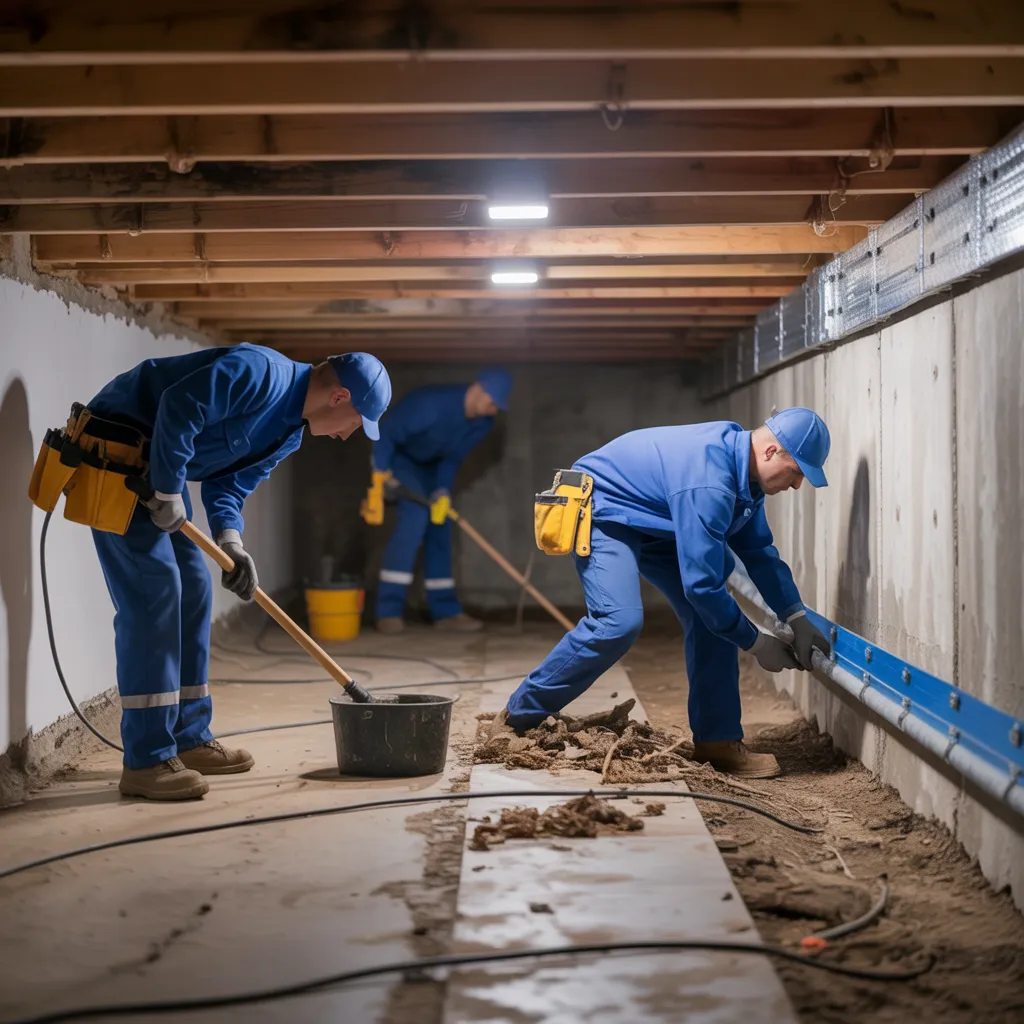
An successful mold remediation involves a systematic approach to guarantee total elimination and prevention of future growth. The process typically begins with a thorough inspection to locate mold origins and evaluate the extent of contamination. Experts employ advanced tools to detect hidden mold and moisture sources, guaranteeing a full evaluation.
Once identified, containment protocols are put in place to prevent the spread of spores during removal. The next phase includes the safe removal of affected materials, such as drywall or insulation, followed by cleaning and disinfection of surfaces.
After removal, the area is completely dried to eliminate moisture, which is essential for avoiding future mold growth. Finally, a post-remediation assessment confirms that the mold has been successfully removed and that the environment is safe. This meticulous process not only addresses existing mold issues but also establishes safeguards against future infestations, guaranteeing long-term safety in the affected space.
Innovative Fungal Removal Techniques
Progressive mold removal techniques are reshaping the restoration domain. Precision identification approaches enhance early identification, while sustainable methodologies prioritize health and sustainability. Additionally, advanced containment strategies guarantee successful confinement of fungal growth, controlling transmission during the restoration phase.
Progressive Detection Methods
Although mold can frequently flourish in concealed spaces, sophisticated identification techniques have developed to detect its presence more precisely and effectively. Methods such as thermal imaging allow experts to observe thermal differences, revealing water accumulation where mold may develop. Furthermore, moisture meters measure the moisture content within walls and ceilings, identifying potential infestations. Air sampling tests can examine airborne spores, providing vital information on mold concentration and types present. In addition, fiber optic cameras enable examinations in tight areas, revealing hidden mold growth without invasive procedures. These cutting-edge approaches enhance the evaluation of mold issues, allowing prompt and efficient treatment measures to protect wellness and assets. By utilizing these sophisticated techniques, remediation specialists can ensure a comprehensive strategy to mold detection.
Green Approaches
Advanced identification techniques have paved the way for more effective mold remediation strategies. In recent periods, eco-friendly solutions have emerged as state-of-the-art alternatives to traditional mold removal methods. These sustainable methods highlight the use of harmless, biodegradable agents that effectively eliminate mold without creating dangers to human health or the environment. Techniques such as steam cleaning and the application of botanical antimicrobials, like tea tree oil and vinegar, have gained popularity. Additionally, ozone treatment and ultraviolet light are more frequently employed, providing effective mold eradication while minimizing chemical exposure. As awareness about environmental impacts rises, these eco-friendly solutions not only guarantee thorough mold removal but also support safer living spaces, reflecting a commitment to both health and sustainability.
State-of-the-Art Containment Solutions
As mold remediation methods evolve, effective isolation strategies have become critical for reducing cross-contamination during the removal process. Modern containment methods employ protective barriers, such as double-layered plastic barriers, to separate affected areas. Depressurization systems are deployed to guarantee that suspended spores do not leak into unaffected spaces, while HEPA filters capture microscopic particles. Additionally, advanced monitoring systems deliver immediate assessments of air quality, allowing teams to adjust containment measures as needed. These innovative approaches not only improve safety for occupants but also streamline the remediation process, guaranteeing thorough mold removal while reducing the risk of recurrence. By incorporating these cutting-edge isolation techniques, professionals can achieve more efficient and enduring results in mold remediation.
Selecting the Appropriate Mold Remediation Provider
How can property owners ensure they choose an reliable mold removal company? The procedure begins with thorough research. Homeowners should locate firms with certifications from recognized organizations, ensuring they adhere to professional guidelines. Reading client testimonials and testimonials can deliver understanding into a firm's reliability and effectiveness.
It is vital to request detailed estimates and grasp the methods suggested for remediation. An effective service will present their approach, including isolation, extraction, and testing after remediation. Openness about the substances and tools used is also critical.
Furthermore, homeowners should ask about guarantees or warranties, which can demonstrate the service's trust in their work. Finally, confirming insurance protection safeguards property owners from possible risks during the removal process. By adhering to these guidelines, homeowners can make informed decisions, minimizing the risk of choosing an inadequate mold remediation service and guaranteeing a safer living environment.
Tips for Blocking Mold From Coming Back
To stop mold from returning, it is crucial to control humidity levels, as high humidity promotes growth. Improving air circulation systems can practical tips enhance air circulation, additionally lowering the probability of mold growth. Furthermore, establishing regular inspection practices allows for early detection and handling of potential issues.
Balance Humidity Levels
Regulating humidity levels is vital for stopping mold from returning in zones that had mold before. Keeping indoor humidity between 30% and 50% substantially reduces the risk of mold proliferation. To reach this target, individuals are suggested to use moisture control devices, particularly in wet spaces like basements and bathrooms. Consistently checking humidity levels with a hygrometer can deliver useful information. Furthermore, swiftly fixing water leaks and intrusion is crucial; any liquid should be quickly eliminated to stop mold recurrence. Homeowners should also explore using moisture-absorbing products, such as silica gel, in confined areas. By taking active steps to manage moisture, individuals can establish a space resistant to mold, delivering a healthier home environment for everyone.
Upgrade Air Circulation Systems
Effective air circulation systems are critical in avoiding mold problems in homes. Proper air flow reduces moisture buildup, a key factor in mold growth. Homeowners should evaluate existing ventilation, guaranteeing that areas like attics, basements, and bathrooms are adequately ventilated. Installing exhaust fans in high-moisture areas helps remove damp air, while vents permit fresh air circulation. Additionally, using energy recovery ventilators can boost indoor air quality by exchanging stale air for fresh air without losing heating or cooling energy. Sealing gaps in windows and doors can also enhance overall airflow. Regular maintenance of HVAC systems, including changing filters, is necessary to achieve ideal performance and reduce the likelihood of mold returning.
Regular examination practices
While homeowners may concentrate on treatment after mold is found, regular inspection practices are vital for avoiding its return. Routine inspections should be conducted in areas prone to moisture, such as basements, bathrooms, and kitchens. Homeowners are urged to examine clear indicators of mold, water leaks, and humidity levels. Additionally, monitoring ventilation systems can help spot emerging problems before they escalate. Engaging a professional service for annual inspections can deliver a detailed evaluation and expert recommendations. Establishing a schedule for these inspections fosters early detection and facilitates preventive strategies. By valuing routine checks, homeowners can substantially lower the risk of mold reoccurrence, securing a more protected home. Consistent vigilance is vital to ongoing mold prevention.
Popular Inquiries Posed Often
How Much Does Mold Remediation Typically Cost?
Mold removal generally costs between $500 and $6,000, contingent upon the degree of the infestation, location, and exact services demanded. Considerations like property size and water content also impact the overall pricing.
Can I continue Living in My Home During treatment?
During mold removal, it's generally recommended to vacate the home, particularly if significant contamination exists. However, some small-scale work may permit residents to remain, depending on safety measures and the severity of contamination.
How long Does the Mold Remediation Process Require?
The timeline for mold elimination differs from a few days to multiple weeks, dependent on the severity of the contamination, the area of the affected space, and the techniques used for treatment.
Do I Have to Change My Pieces After Mold Exposure?
Following mold exposure, whether to replace furniture is based on the degree of contamination. Non-porous items can usually be cleaned, whereas porous materials, such as upholstered furniture, may require being replaced to ensure safety and stop future mold growth.
Can Homeowners Insurance Pay for Mold Abatement?
Mold remediation protection differs by homeowners insurance policy. Generally, if mold results from a included peril, such as water damage, it may be included. Policyholders should review their particular terms and contact their insurance company for guidance.